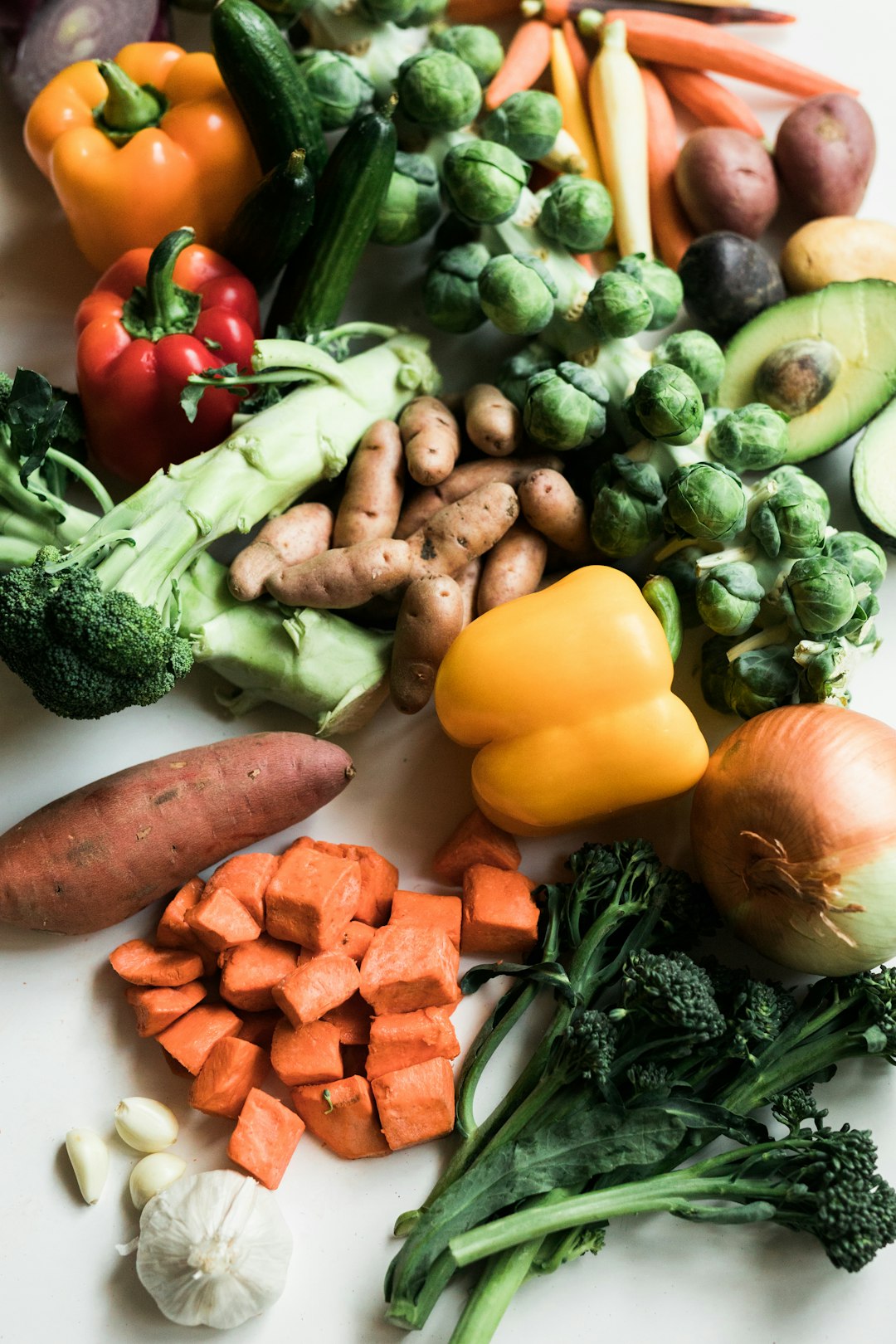
Cardiovascular health becomes increasingly important after 40, as heart disease risk rises with age. The good news is that nutrition powerfully influences heart health while simultaneously supporting sustained energy and vitality throughout the day.
Understanding Cardiovascular Risk After 40
After age 40, cardiovascular disease risk increases significantly for both men and women. For women, risk accelerates after menopause as protective effects of estrogen decline. Multiple factors contribute to this increased risk including elevated blood pressure, unfavorable cholesterol profiles, increased arterial stiffness, chronic inflammation, and insulin resistance.
The relationship between diet and heart health is well-established through decades of research. Dietary patterns significantly influence all major cardiovascular risk factors including blood pressure, cholesterol levels, inflammation, blood sugar control, and body weight. Strategic nutrition choices can reduce heart disease risk by up to 30-40%.
Omega-3 Fatty Acids: Heart's Best Friend
Omega-3 fatty acids, particularly EPA and DHA found in fatty fish, are among the most powerful nutritional interventions for cardiovascular health. These essential fats reduce triglycerides, decrease blood pressure, reduce inflammation, improve endothelial function, and may help prevent dangerous heart rhythm abnormalities.
Aim for at least two servings of fatty fish weekly, including salmon, mackerel, sardines, herring, or trout. Each serving should be 3-4 ounces cooked. If you don't consume fish regularly, consider a high-quality fish oil supplement providing 1-2 grams combined EPA and DHA daily. Plant sources like flaxseeds, chia seeds, and walnuts provide ALA, a shorter-chain omega-3 that converts inefficiently to EPA and DHA but still offers cardiovascular benefits.
Fiber: The Cholesterol Fighter
Dietary fiber, particularly soluble fiber, significantly reduces LDL cholesterol levels by binding to bile acids and promoting their excretion. The liver then pulls cholesterol from the bloodstream to make new bile acids, effectively lowering blood cholesterol. Studies show that each 5-10 gram increase in daily fiber intake reduces cardiovascular risk by approximately 15%.
Soluble fiber is found in oats, barley, beans, lentils, apples, citrus fruits, and psyllium. Start your day with oatmeal topped with berries and ground flaxseed for a fiber-rich breakfast. Include beans or lentils in at least one meal daily. Aim for a total fiber intake of 25-35 grams daily from diverse sources including vegetables, fruits, whole grains, legumes, nuts, and seeds.
Antioxidant-Rich Fruits and Vegetables
Oxidative stress contributes to atherosclerosis by oxidizing LDL cholesterol, making it more likely to accumulate in arterial walls. Antioxidants from colorful fruits and vegetables protect against this oxidation while providing anti-inflammatory compounds and essential nutrients.
Berries are particularly heart-protective, containing anthocyanins that improve endothelial function and reduce arterial stiffness. Studies show regular berry consumption reduces heart attack risk by up to 30%. Leafy greens like spinach, kale, and Swiss chard provide nitrates that improve blood vessel function and reduce blood pressure. Tomatoes are rich in lycopene, an antioxidant associated with reduced heart disease risk.
Aim for at least 5-7 servings of vegetables and 2-3 servings of fruits daily, emphasizing variety and color. Different pigments indicate different beneficial compounds, so eating a rainbow of produce ensures comprehensive antioxidant protection.
Nuts and Seeds for Heart Health
Nuts consistently demonstrate cardiovascular benefits in research studies. Regular nut consumption is associated with 25-30% reduction in heart disease risk. Nuts provide healthy unsaturated fats, plant sterols, fiber, arginine, and antioxidants that collectively support heart health through multiple mechanisms.
Walnuts are particularly beneficial due to their high omega-3 content. Almonds reduce LDL cholesterol and improve blood vessel function. Pistachios help lower blood pressure. Include a small handful of mixed nuts daily—approximately 1-1.5 ounces. Be mindful of portions as nuts are calorie-dense. Choose raw or dry-roasted nuts without added salt or sugar.
Whole Grains versus Refined Grains
Whole grains retain the bran, germ, and endosperm, providing fiber, B vitamins, minerals, and beneficial plant compounds. In contrast, refined grains are stripped of these nutritious components, leaving primarily starch. Studies consistently show that whole grain consumption reduces heart disease risk by 20-30% compared to refined grain consumption.
Replace refined grains with whole grain alternatives: choose brown rice over white rice, whole wheat bread over white bread, quinoa or barley instead of pasta, and oatmeal over sugary breakfast cereals. Aim for at least 3-5 servings of whole grains daily. A serving equals one slice of whole grain bread, half cup cooked grains, or one ounce dry cereal.
Plant Sterols and Stanols
Plant sterols and stanols are compounds structurally similar to cholesterol that compete for absorption in the intestines, effectively blocking cholesterol uptake. Consuming 2 grams of plant sterols daily can reduce LDL cholesterol by 6-15%.
Natural sources include vegetable oils, nuts, seeds, legumes, and whole grains, though concentrations are relatively low. Fortified foods like certain margarines, orange juices, and yogurts provide higher amounts. If using fortified products, consume them with meals for optimal effect.
The Sodium-Potassium Balance
Excessive sodium intake elevates blood pressure in salt-sensitive individuals, while adequate potassium helps counteract sodium's effects and promotes healthy blood pressure. The ideal ratio is approximately 2:1 potassium to sodium, but typical Western diets provide the opposite ratio.
Limit sodium to less than 2,300mg daily, or 1,500mg if you have hypertension. Read labels carefully—processed foods account for 75% of dietary sodium. Cook at home more often, using herbs and spices for flavor instead of salt. Increase potassium through foods like bananas, sweet potatoes, white potatoes, avocados, spinach, beans, and tomatoes. Aim for 3,500-4,700mg of potassium daily from food sources.
Heart-Healthy Fats versus Harmful Fats
Not all fats affect cardiovascular health equally. Trans fats, found in some processed foods and created during partial hydrogenation, dramatically increase heart disease risk and should be completely avoided. Saturated fats have a more nuanced relationship—moderate intake from whole food sources like dairy and meat appears neutral or slightly beneficial, while limiting intake remains prudent.
Prioritize unsaturated fats, particularly monounsaturated fats from olive oil, avocados, and nuts, which improve cholesterol profiles and reduce inflammation. The Mediterranean dietary pattern, rich in olive oil, consistently demonstrates cardiovascular benefits. Use extra virgin olive oil as your primary cooking and dressing oil. Include avocado regularly and choose fatty fish for omega-3 polyunsaturated fats.
Foods to Limit for Heart Health
Just as certain foods protect the heart, others promote cardiovascular disease and should be limited or avoided. Added sugars, particularly in beverages, contribute to obesity, diabetes, inflammation, and unfavorable lipid profiles. Limit added sugar to less than 25 grams daily for women and 36 grams for men.
Processed meats like bacon, sausage, and deli meats contain sodium, saturated fats, and preservatives linked to increased cardiovascular risk. If consuming meat, choose fresh, minimally processed options and limit red meat to 1-2 servings weekly. Highly processed foods typically contain excessive sodium, unhealthy fats, and minimal nutrients. Prioritize whole, minimally processed foods for optimal heart health.
Hydration for Cardiovascular Function
Adequate hydration supports cardiovascular function by maintaining blood volume and viscosity, facilitating nutrient transport, and supporting kidney function. Even mild dehydration can stress the cardiovascular system and impair physical and cognitive performance.
Aim for at least 8-10 glasses of water daily, adjusting for activity level, climate, and individual needs. While coffee and tea count toward fluid intake, be mindful of caffeine's effects on blood pressure and heart rate. Limit or avoid sugary beverages and excessive alcohol, which provide empty calories and may harm cardiovascular health.
Energy-Sustaining Nutrition Strategies
Many heart-healthy dietary principles also support sustained energy levels throughout the day. Balanced blood sugar through balanced meals prevents energy crashes. Complex carbohydrates from whole grains provide steady glucose release. Adequate protein supports neurotransmitter production and prevents muscle breakdown that can cause fatigue.
B vitamins from whole grains, leafy greens, legumes, and animal products are essential for energy metabolism. Iron carries oxygen to tissues—inadequate iron causes fatigue. Include iron-rich foods like lean meats, beans, lentils, and fortified cereals, pairing them with vitamin C sources to enhance absorption.
Magnesium supports hundreds of enzymatic reactions including energy production. Food sources include leafy greens, nuts, seeds, whole grains, and legumes. Maintain consistent meal timing to support stable energy—skipping meals leads to blood sugar crashes and fatigue.
The Mediterranean Diet: A Heart-Healthy Blueprint
The Mediterranean diet represents one of the most extensively studied eating patterns for cardiovascular health. This approach emphasizes vegetables, fruits, whole grains, legumes, nuts, olive oil, and fish, with moderate amounts of poultry, dairy, and wine, while limiting red meat and sweets.
Multiple large studies demonstrate that Mediterranean diet adherence reduces heart attack and stroke risk by 25-30%. The diet's benefits likely stem from its anti-inflammatory properties, favorable effects on cholesterol and blood pressure, and abundance of protective nutrients and bioactive compounds.
To adopt Mediterranean principles, build meals around vegetables and whole grains, use olive oil liberally, include fish at least twice weekly, snack on nuts and fruits, and flavor foods with herbs and spices. Reserve red meat for occasional consumption and choose whole fruits over sweetened desserts.
Putting It All Together: A Sample Day
A heart-healthy, energy-sustaining day might look like this: Breakfast could include oatmeal prepared with almond milk, topped with berries, ground flaxseed, and chopped walnuts. Mid-morning, enjoy a small apple with a tablespoon of almond butter. For lunch, have a large salad with mixed greens, chickpeas, tomatoes, cucumbers, avocado, and olive oil-based dressing, accompanied by whole grain bread.
An afternoon snack might consist of carrot sticks with hummus or a small handful of mixed nuts. Dinner could feature baked salmon with roasted Brussels sprouts and sweet potato, dressed with olive oil and herbs. If desired, end the day with a small serving of dark chocolate or fresh berries.
This sample day provides abundant heart-protective nutrients including omega-3s, fiber, antioxidants, healthy fats, and plant compounds, while maintaining stable blood sugar for sustained energy.
Conclusion
Cardiovascular health and sustained energy are intimately connected through nutrition. By emphasizing whole, minimally processed foods rich in fiber, healthy fats, antioxidants, and essential nutrients while limiting sodium, added sugars, and unhealthy fats, you can significantly reduce heart disease risk while maintaining vitality and energy throughout your day. These dietary patterns don't require perfection or deprivation—small, consistent improvements accumulate to create substantial health benefits. Combined with regular physical activity, stress management, adequate sleep, and appropriate medical care, heart-healthy nutrition provides a powerful foundation for thriving after 40 and well into the decades beyond.