Turning 40 marks a significant transition in a woman's life, bringing hormonal shifts, metabolic changes, and new nutritional needs. This comprehensive guide explores evidence-based strategies to help you thrive through perimenopause and beyond.
Understanding Hormonal Changes After 40
As women approach their 40s, the body begins transitioning toward menopause through a phase called perimenopause. This transition typically lasts 4-10 years and brings significant hormonal fluctuations, particularly in estrogen and progesterone levels. These changes affect everything from metabolism to mood, bone density to body composition.
Estrogen plays a crucial role in regulating metabolism, maintaining bone density, and supporting cardiovascular health. As levels decline, women often notice weight gain, particularly around the midsection, decreased muscle mass, and changes in energy levels. Understanding these changes is the first step in adapting your nutrition strategy.
Metabolism and Weight Management
One of the most common concerns for women over 40 is a slowing metabolism. Research shows that basal metabolic rate decreases by approximately 2-3% per decade after age 30, accelerating further during perimenopause due to declining estrogen and muscle mass loss.
To counteract metabolic slowdown, focus on preserving and building lean muscle mass through adequate protein intake. Aim for 1.2-1.6 grams of protein per kilogram of body weight daily, distributed across all meals. Quality protein sources include lean meats, fish, eggs, legumes, Greek yogurt, and plant-based options like tofu and tempeh.
Essential Nutrients for Women Over 40
Certain nutrients become particularly important after 40. Calcium and vitamin D are crucial for maintaining bone density, as estrogen decline accelerates bone loss. Aim for 1,200mg of calcium daily through dairy products, fortified plant milks, leafy greens, and supplements if needed. Pair this with 800-1,000 IU of vitamin D3 for optimal absorption.
Iron needs remain elevated until menopause due to monthly blood loss, requiring approximately 18mg daily. However, post-menopause, iron requirements decrease to 8mg daily. B vitamins, particularly B6, B12, and folate, support energy production and cognitive function. Omega-3 fatty acids from fatty fish, walnuts, and flaxseeds help reduce inflammation and support cardiovascular and brain health.
Balancing Blood Sugar for Hormonal Stability
Blood sugar imbalances can exacerbate hormonal fluctuations and contribute to weight gain, energy crashes, and mood swings. Women over 40 often experience increased insulin resistance, making blood sugar management even more critical.
Focus on balanced meals combining complex carbohydrates, protein, and healthy fats. This combination slows glucose absorption and prevents blood sugar spikes. Choose whole grains over refined carbohydrates, incorporate plenty of fiber-rich vegetables, and include protein with every meal and snack. Consider limiting added sugars to less than 25 grams daily.
Anti-Inflammatory Eating Patterns
Chronic inflammation increases with age and contributes to various health concerns including heart disease, arthritis, and cognitive decline. An anti-inflammatory diet can help mitigate these risks while supporting overall health and well-being.
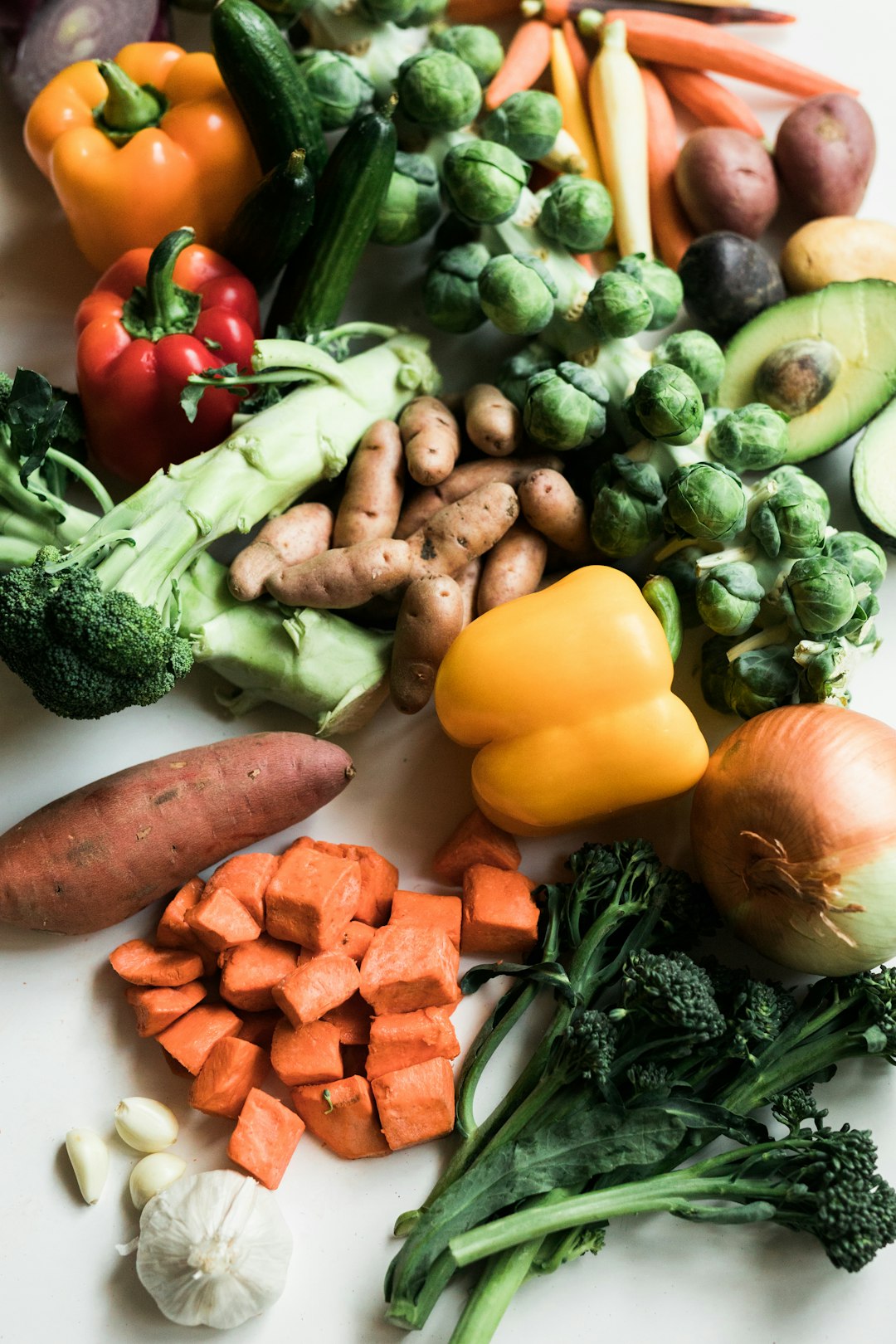
Build your meals around colorful vegetables and fruits, which are rich in antioxidants and phytonutrients. Include fatty fish like salmon, mackerel, and sardines at least twice weekly for anti-inflammatory omega-3s. Incorporate herbs and spices, particularly turmeric, ginger, and garlic, which possess powerful anti-inflammatory properties. Limit processed foods, trans fats, and excessive omega-6 fatty acids found in many vegetable oils.
Supporting Gut Health
The gut microbiome plays a crucial role in hormone metabolism, immune function, and overall health. Research suggests that gut health influences estrogen metabolism and may impact menopausal symptoms.
Support your gut microbiome through fermented foods like yogurt, kefir, sauerkraut, kimchi, and kombucha. Include prebiotic fibers from foods like garlic, onions, asparagus, bananas, and oats to feed beneficial bacteria. Aim for 25-30 grams of fiber daily from diverse plant sources.
Hydration and Alcohol Considerations
Proper hydration becomes increasingly important after 40, supporting metabolism, skin health, and detoxification. Aim for at least 8-10 glasses of water daily, adjusting for activity level and climate.
Regarding alcohol, metabolism slows with age, and hormonal changes can intensify alcohol's effects. If you choose to drink, limit intake to no more than one drink daily, and consider alcohol-free days throughout the week. Be aware that alcohol can worsen hot flashes and sleep disruptions common during perimenopause.
Meal Timing and Eating Patterns
When you eat can be as important as what you eat. Some women over 40 find success with time-restricted eating, consuming meals within an 8-10 hour window. This pattern may support metabolic health and weight management, though it's not suitable for everyone.
Regardless of your eating schedule, avoid late-night eating, which can disrupt sleep and hormone regulation. Try to finish your last meal at least 2-3 hours before bedtime. Eating consistent, balanced meals throughout the day helps maintain stable blood sugar and energy levels.
Practical Implementation Strategies
Start with small, sustainable changes rather than overhauling your entire diet overnight. Add one serving of vegetables to each meal, swap refined grains for whole grains, or increase your water intake. Meal planning and preparation can significantly support healthy eating habits, reducing reliance on convenience foods.
Listen to your body's hunger and fullness cues, eating mindfully without distractions. Keep a food journal to identify patterns between your diet and how you feel. Consider working with a registered dietitian specializing in women's health for personalized guidance tailored to your unique needs and health goals.
Conclusion
Healthy eating for women over 40 requires a thoughtful, personalized approach that addresses changing nutritional needs, hormonal fluctuations, and metabolic shifts. By focusing on nutrient-dense whole foods, adequate protein, balanced meals, and anti-inflammatory eating patterns, you can support optimal health, maintain energy, and thrive during this transformative life stage. Remember that nutrition is highly individual—what works for one woman may not work for another, so be patient and willing to experiment to find what makes you feel your best.