Aging is inevitable, but the rate at which we age is significantly influenced by lifestyle factors, particularly nutrition. Modern research reveals that specific dietary strategies can slow cellular aging, reduce oxidative stress, and promote longevity.
Understanding Cellular Aging
At the cellular level, aging is characterized by several hallmarks including telomere shortening, oxidative stress, mitochondrial dysfunction, and chronic inflammation. Telomeres are protective caps on chromosomes that shorten with each cell division. When they become critically short, cells can no longer divide and enter senescence or die.
Oxidative stress occurs when free radicals overwhelm the body's antioxidant defenses, damaging DNA, proteins, and lipids. Mitochondria, the cell's energy factories, become less efficient with age, producing more reactive oxygen species while generating less energy. Chronic low-grade inflammation, termed "inflammaging," contributes to age-related diseases including cardiovascular disease, diabetes, and neurodegenerative conditions.
The Power of Antioxidants
Antioxidants neutralize free radicals, protecting cells from oxidative damage. While antioxidant supplements have shown mixed results in studies, consuming antioxidants through whole foods provides comprehensive benefits due to the synergistic effects of multiple compounds working together.
Vitamin C, found abundantly in citrus fruits, berries, bell peppers, and leafy greens, is a powerful water-soluble antioxidant that supports collagen production and immune function. Vitamin E, present in nuts, seeds, and plant oils, protects cell membranes from lipid peroxidation. Carotenoids like beta-carotene, lutein, and lycopene, found in colorful fruits and vegetables, offer protective effects for skin, eyes, and cardiovascular health.
Polyphenols and Plant Compounds
Polyphenols are bioactive compounds found in plants that exhibit powerful anti-aging properties. Resveratrol, found in grapes, red wine, and berries, activates sirtuins—proteins that regulate cellular health and longevity. Studies suggest resveratrol may mimic some benefits of caloric restriction, a well-established longevity intervention.
Quercetin, abundant in apples, onions, and tea, demonstrates senolytic properties, meaning it may help eliminate senescent cells that accumulate with age and contribute to tissue dysfunction. EGCG from green tea supports brain health, metabolic function, and may activate autophagy, the cellular cleanup process that removes damaged components.
Curcumin from turmeric possesses potent anti-inflammatory and antioxidant properties, potentially protecting against cognitive decline and supporting joint health. To enhance absorption, consume turmeric with black pepper and healthy fats.
Omega-3 Fatty Acids and Brain Health
Omega-3 fatty acids, particularly EPA and DHA found in fatty fish, play crucial roles in maintaining cellular membrane integrity, reducing inflammation, and supporting brain health. Research indicates that higher omega-3 intake is associated with slower telomere shortening, suggesting a protective effect on cellular aging.
DHA comprises a significant portion of brain cell membranes and is essential for cognitive function. Studies show that adequate omega-3 intake may reduce risk of cognitive decline and Alzheimer's disease. Aim for at least two servings of fatty fish weekly, or consider a high-quality fish oil supplement providing 1-2 grams of combined EPA and DHA daily.
Protein and Muscle Preservation
Sarcopenia, the age-related loss of muscle mass and strength, significantly impacts quality of life and metabolic health. Adequate protein intake becomes increasingly important after 40 to preserve muscle mass, support tissue repair, and maintain metabolic rate.
Research suggests that older adults benefit from higher protein intake than current recommendations, approximately 1.2-1.6 grams per kilogram body weight daily, distributed evenly across meals. Each meal should contain 25-30 grams of high-quality protein to maximize muscle protein synthesis. Leucine, an amino acid abundant in animal proteins and soybeans, is particularly important for triggering muscle building.
Caloric Restriction and Fasting Mimicking
Caloric restriction, reducing calorie intake by 20-40% while maintaining adequate nutrition, is the most robust non-genetic intervention for extending lifespan across species. While sustained caloric restriction is challenging for most people, emerging research on intermittent fasting and fasting-mimicking diets shows promise.
Time-restricted eating, consuming meals within an 8-10 hour window, may support cellular repair processes, improve insulin sensitivity, and promote autophagy. During fasting periods, cells shift from growth mode to maintenance mode, activating repair mechanisms and clearing damaged components.
Periodic fasting-mimicking diets, typically 5-day protocols consumed monthly or quarterly, may provide longevity benefits without continuous restriction. These approaches require proper guidance and aren't suitable for everyone, particularly those with certain health conditions or history of eating disorders.
The Mediterranean and Other Longevity Diets
The Mediterranean diet consistently ranks among the healthiest eating patterns for longevity and disease prevention. This pattern emphasizes vegetables, fruits, whole grains, legumes, nuts, olive oil, and moderate fish consumption, with limited red meat and processed foods.
Studies of Mediterranean populations show lower rates of cardiovascular disease, cancer, and cognitive decline. The diet's benefits likely stem from its high antioxidant and anti-inflammatory compound content, favorable fatty acid profile, and abundance of fiber supporting gut health.
Other longevity-associated dietary patterns include the traditional Okinawan diet, rich in vegetables, sweet potatoes, soy products, and small amounts of fish, and the DASH diet, designed for blood pressure management but showing broader health benefits.
Gut Health and the Microbiome
The gut microbiome profoundly influences health and aging. A diverse, balanced microbiome supports immune function, produces beneficial metabolites, maintains intestinal barrier integrity, and may influence longevity through various mechanisms.
With age, microbiome diversity typically decreases, potentially contributing to inflammaging. Supporting gut health through diverse fiber intake, fermented foods, and limiting processed foods and artificial sweeteners helps maintain a healthy microbiome. Aim for 30 different plant foods weekly to maximize microbiome diversity.
Hydration and Cellular Function
Adequate hydration is essential for cellular function, nutrient transport, waste removal, and temperature regulation. Chronic mild dehydration may accelerate aging processes and impair cognitive function. Water needs increase with age as thirst perception diminishes and kidney function changes.
Aim for at least 8-10 glasses of water daily, adjusting for activity level, climate, and individual needs. Herbal teas and water-rich foods like cucumbers, watermelon, and soups contribute to hydration. Monitor urine color as a practical indicator—pale yellow suggests adequate hydration.
Limiting Pro-Aging Factors
While adding beneficial foods is important, reducing consumption of pro-aging factors is equally crucial. Advanced glycation end products (AGEs) form when proteins or fats combine with sugars, accelerating aging processes. High-temperature cooking methods like frying and grilling produce more AGEs. Favor gentler cooking methods like steaming, poaching, and low-temperature roasting.
Excessive sugar intake promotes inflammation, oxidative stress, and glycation. Limit added sugars to less than 25 grams daily for women and 36 grams for men. Processed meats contain compounds linked to increased disease risk and should be minimized. Trans fats, found in some processed foods, promote inflammation and should be avoided entirely.
Putting It All Together
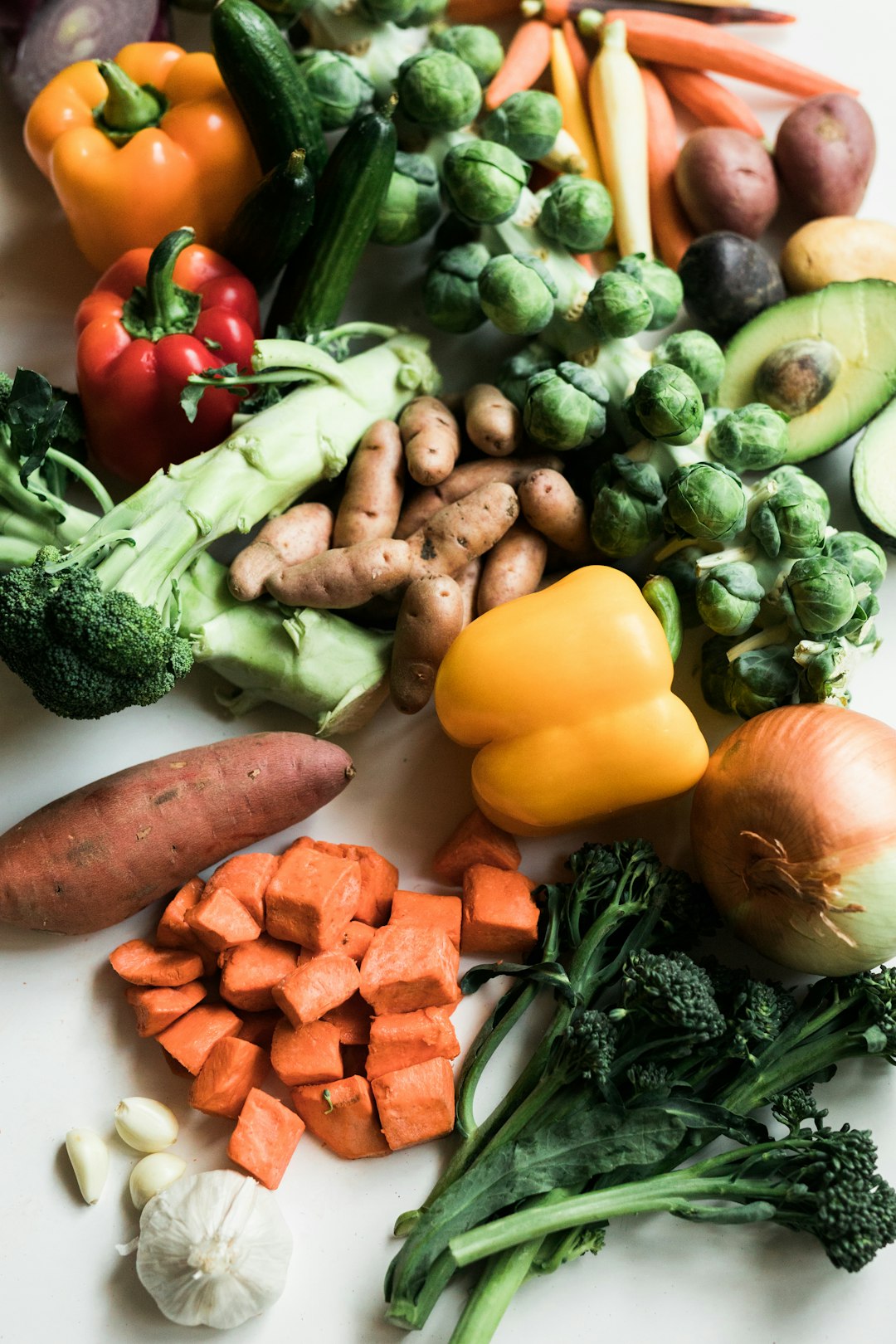
An anti-aging nutrition strategy focuses on nutrient-dense whole foods rich in antioxidants, anti-inflammatory compounds, and essential nutrients. Build meals around colorful vegetables and fruits, include quality protein sources at each meal, incorporate healthy fats from fish, nuts, and olive oil, and choose whole grains over refined carbohydrates.
Minimize processed foods, added sugars, and pro-inflammatory fats. Support gut health through fermented foods and diverse fiber sources. Stay well-hydrated and consider intermittent fasting approaches if appropriate for your situation. Remember that consistency matters more than perfection—sustainable dietary patterns provide cumulative benefits over time.
Conclusion
While we cannot stop aging, evidence-based nutrition strategies can significantly influence how we age. By understanding the mechanisms of cellular aging and implementing dietary approaches that support cellular health, reduce inflammation, and protect against oxidative stress, we can promote healthspan—years lived in good health. Combined with other lifestyle factors including regular physical activity, stress management, and adequate sleep, these nutritional strategies offer powerful tools for healthy aging and longevity.